
The final whistle has blown. The trophies have been awarded. The global spotlight has moved on.
But for Adidas, one of the biggest competitions is still underway.
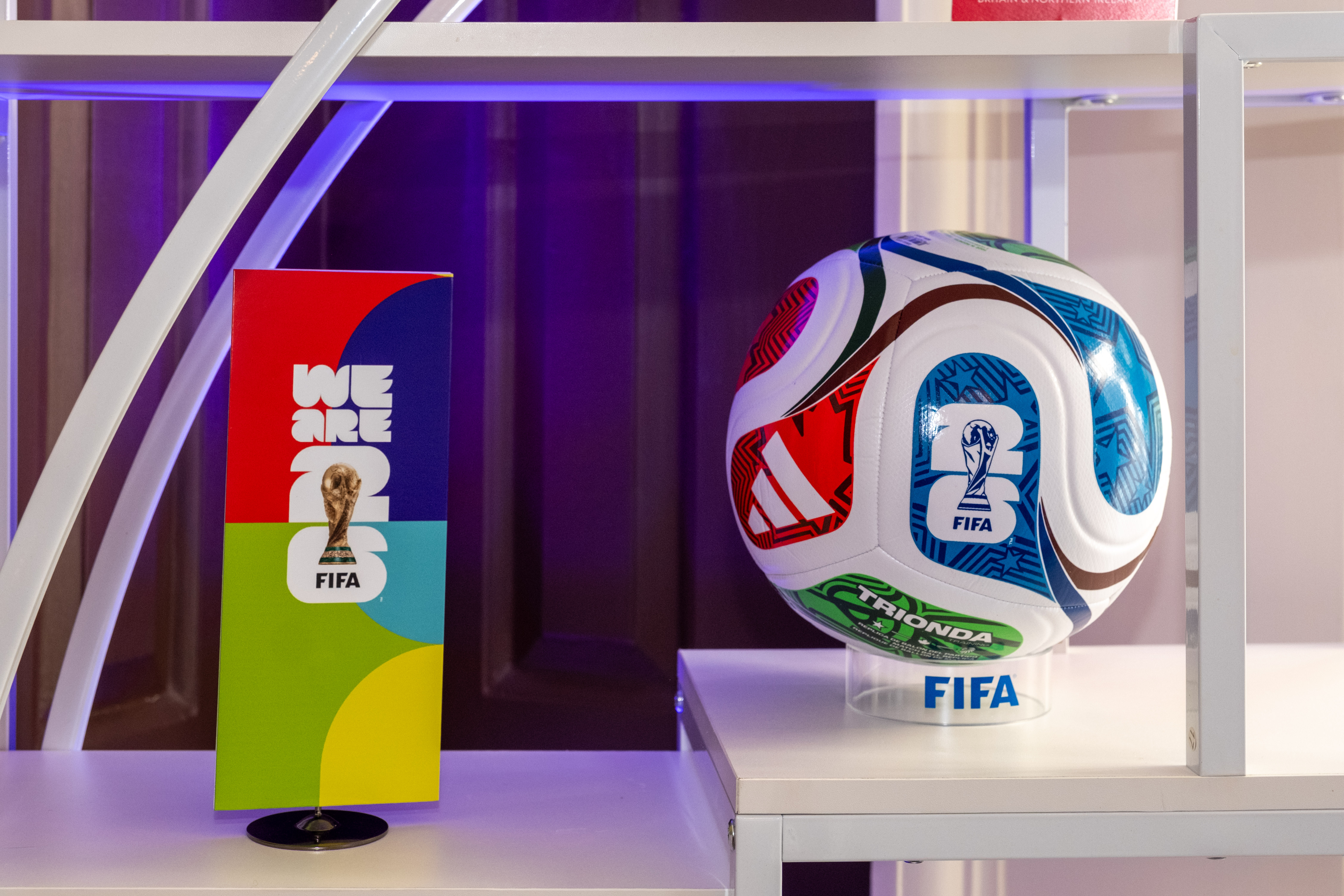
According to The Wall Street Journal, Adidas significantly increased its marketing investment around the 2026 FIFA World Cup, supporting national teams, activating partnerships, creating cultural moments, and positioning itself at the center of the world's biggest sporting event.
The strategy delivered visibility. But now investors and analysts are asking a much more difficult question:
Was it worth it?
And that question goes far beyond Adidas.
It's one of the most important conversations in modern sports marketing.
Winning Attention Is Not the Same as Winning the Market
Major sporting events offer something few other marketing platforms can replicate: the ability to bring billions of people together around a shared cultural moment.
For brands, that represents an extraordinary opportunity.
Adidas understood this.
From national team jerseys and athlete partnerships to global campaigns and fan experiences, the brand built a presence that extended well beyond the pitch.
The objective wasn't simply to sell football shirts.
It was to reinforce Adidas as a brand deeply connected to football culture.
But cultural relevance comes at a cost.
The Wall Street Journal reported that Adidas's marketing and point-of-sale expenses increased approximately 30%, raising questions about the financial return on those investments.
And this is where the conversation gets interesting.
A campaign can win the cultural moment without immediately winning the financial argument.
The Three Scoreboards of Sports Marketing
When evaluating major sports marketing investments, I believe we need to look beyond impressions, engagement rates, and short-term sales.
There are three different scoreboards.
1. The Attention Scoreboard
Did the brand become part of the conversation?
This includes reach, media exposure, social engagement, earned media, and cultural relevance.
During the World Cup, Adidas had the advantage of being connected to the teams, players, and stories that fans were already following.
But attention is temporary.
2. The Commercial Scoreboard
Did that attention translate into business?
Jersey sales, footwear purchases, retail traffic, market share, and customer acquisition are much closer to the financial outcomes that executives and investors expect.
A tournament can create a powerful sales window, but a temporary spike doesn't necessarily justify a long-term investment.
3. The Brand Equity Scoreboard
This is arguably the most important and most difficult to measure.
Did consumers develop a stronger preference for Adidas?
Did the campaign improve the brand's position against competitors?
Will someone who connected with Adidas during the World Cup choose Adidas six months later when buying running shoes, sneakers, or football boots?
That is where the long-term value of sports marketing begins to emerge.
The Real Competition Starts After the Tournament
One of the biggest mistakes brands can make is treating a major sporting event as the finish line rather than the starting point.
A World Cup campaign can introduce millions of consumers to a brand story.
But what happens next?
How does Adidas continue engaging the fans who interacted with its content?
How does it connect national team partnerships to everyday products?
How does it turn the emotional connection of supporting a country into a lasting relationship with the brand?
This is where customer data, community-building, retail experiences, athlete storytelling, and personalized marketing become essential.
The tournament creates the moment. The marketing ecosystem must create the relationship.
And that relationship is what can ultimately justify the investment.
A Bigger Lesson for Sports Marketers
The Adidas story also exposes a challenge that sports marketing professionals face at every level, from global brands to professional teams and local organizations.
We often celebrate the most visible results.
A sold-out arena.
A viral campaign.
Millions of impressions.
A major sponsorship announcement.
Those achievements matter. But they represent only part of the business story.
The bigger opportunity is connecting those moments to measurable outcomes: new customers, stronger retention, greater purchase frequency, increased sponsor value, and deeper brand loyalty.
The best sports marketing strategies don't simply generate excitement.
They build systems that capture and extend the value of that excitement.
Final Whistle
Adidas may have won significant attention during the 2026 World Cup.
Whether that attention becomes a lasting competitive advantage is still an open question.
And that's what makes this story so relevant.
As sports properties become more expensive and marketing budgets face greater scrutiny, brands will need to become increasingly sophisticated in how they measure success.
Not every return can be captured in a single quarter.
But every major investment should have a strategy for creating value beyond the event itself.
Because in sports marketing, the final whistle shouldn't mark the end of the campaign. It should mark the beginning of the return.
The Marketing Play explores the intersection of sport, culture, and brands.
Sport. Culture. Brands.
Sport. Culture. Brands.