Sports marketers spend a lot of time thinking about campaigns.
We should probably spend more time thinking about hospitality.
A conversation I attended featuring Danny Meyer reinforced something that applies far beyond restaurants: the way people feel about an experience is often shaped by dozens of small human interactions that never appear in the campaign plan.
Sports is full of them.
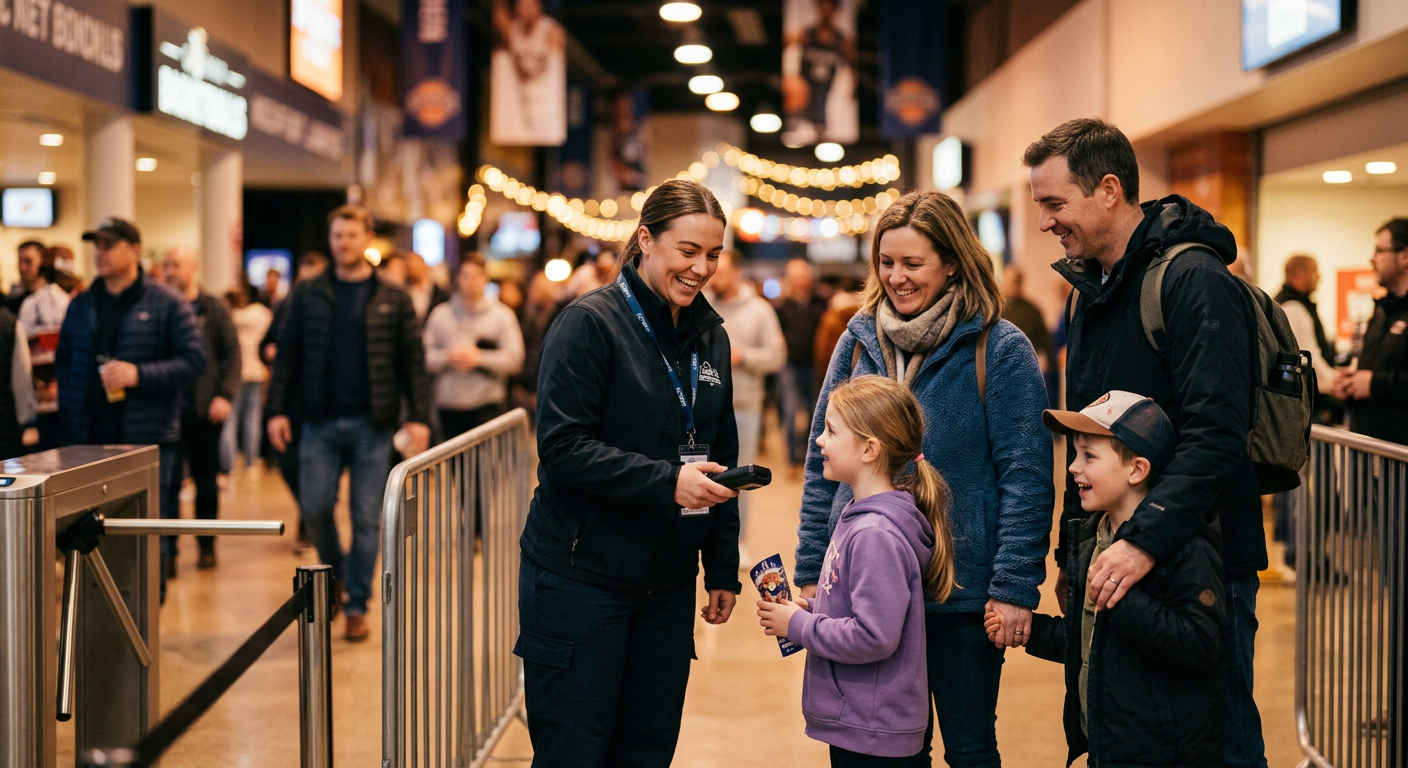
The person scanning the ticket.
The security interaction at the entrance.
The clarity of the signage.
The music when fans walk into the building.
The speed of the concession line.
The way a sponsor activation treats someone who stops to participate.
The response when a fan has a problem.
The final message they receive after the game.
None of those things are traditionally labeled “marketing,” yet all of them influence the brand.
That is why hospitality should be considered part of sports marketing.
The advertisement can make someone buy a ticket once.
The experience helps determine whether they want to return.
This becomes especially important because sports marketers cannot control the core product.
We cannot guarantee a win.
We cannot guarantee a close game.
We cannot guarantee the star player will have a great night.
What we can influence is everything surrounding the competition.
That makes experience design strategically important.
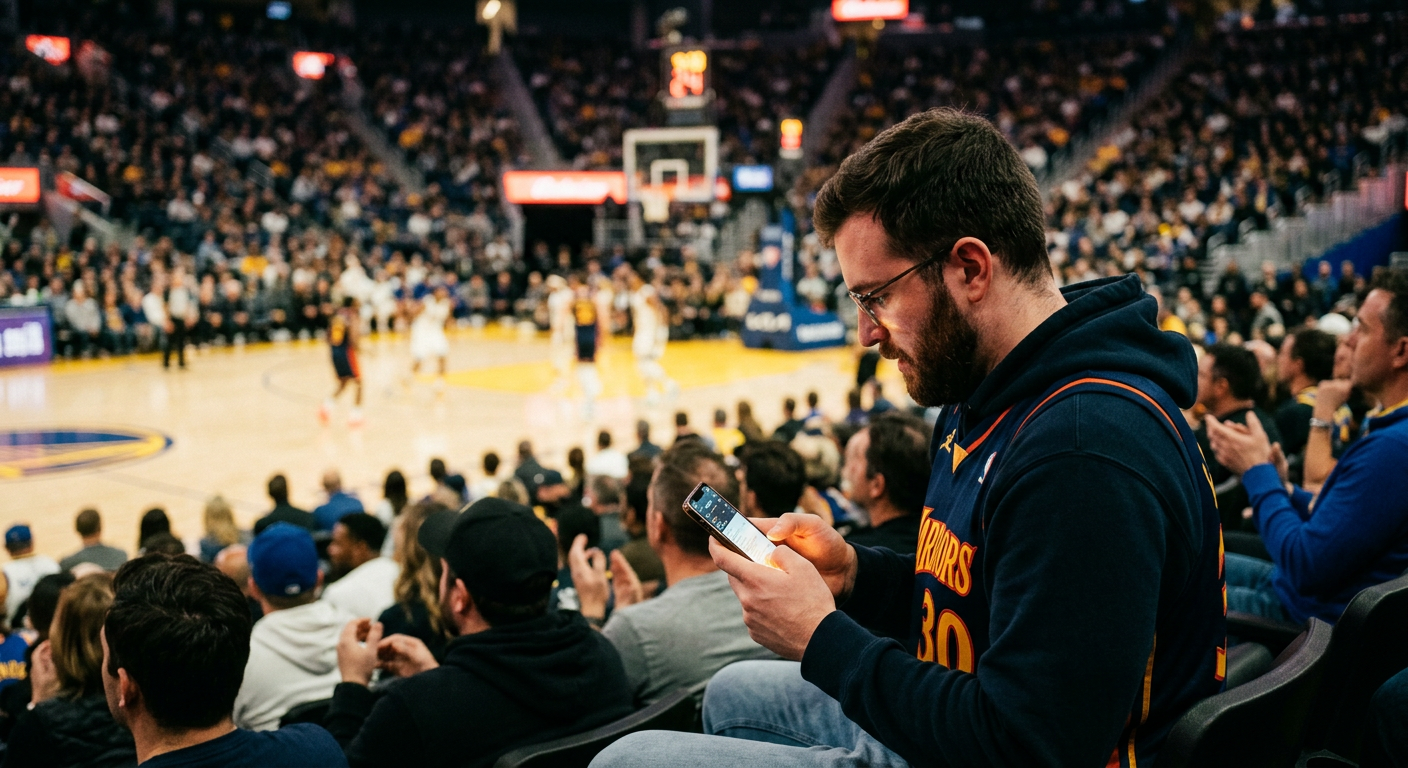
The best game-day environments understand that fans are not simply entering a building to watch basketball. They are spending an evening with friends, bringing their children, celebrating birthdays, entertaining clients or participating in a community ritual.
The game is the center of the experience.
It is not the entire experience.
This mindset also changes how we think about service recovery.
Something will eventually go wrong. A ticket will not scan. A seat will have an issue. A line will be too long. A fan will be confused.
“The response can become more memorable than the original problem.”
Organizations that empower people to solve issues quickly create a different kind of brand trust. That requires culture, not just a customer-service script.
Danny Meyer’s ideas around hospitality also reinforce the importance of internal culture. Employees cannot consistently create a welcoming external experience if the internal environment does not support good judgment, ownership and respect.
Sports properties often focus heavily on the fan-facing brand while forgetting that the brand is being delivered by people.
Marketing can design the promise.
Operations, ticketing, security, partnerships, content teams, ushers and venue staff help fulfill it.
That is why cross-functional alignment matters so much.
Hospitality can also improve sponsorship.
The strongest partnerships often create a benefit for the fan: better access, an unexpected experience, a useful service, exclusive content or a moment that feels special.
That is very different from simply inserting a logo into the environment.
The question becomes: how does this partner help us host the fan better?
That is a much more interesting creative brief.
As sports becomes more digital, live experiences may actually become more valuable. Fans can watch highlights anywhere. They can follow scores instantly. They can consume commentary without entering the arena.
So why come?
Because being there should feel different.
That difference is built through atmosphere, community, access and hospitality.
Sports marketing gets people interested.
Great hospitality gives them a reason to come back.