Sports organizations love follower counts.
They are visible, easy to compare and useful indicators of momentum. But they can also create a false sense of ownership.
“A follower on Instagram is not the same thing as a fan relationship you control.”
The platform controls the feed, the algorithm, the distribution and ultimately the access. A team may have tens of thousands of followers and still be unable to reach most of them when it needs to sell a ticket, communicate an update or launch a new product.
That is why one of the most important shifts in sports marketing is moving from rented attention to owned relationships.
During the development of the Criollos de Caguas marketing ecosystem, social media was essential. It helped us build awareness, tell stories, generate millions of organic impressions and participate in the basketball conversation every day.
But social was never supposed to be the entire system.
We also built direct channels: website registrations, email, WhatsApp and fan-community initiatives designed to turn anonymous reach into identifiable relationships. Over time, that direct-to-fan database grew into thousands of people we could communicate with without waiting for an algorithm to decide whether the message deserved distribution.
That changes the economics of marketing.
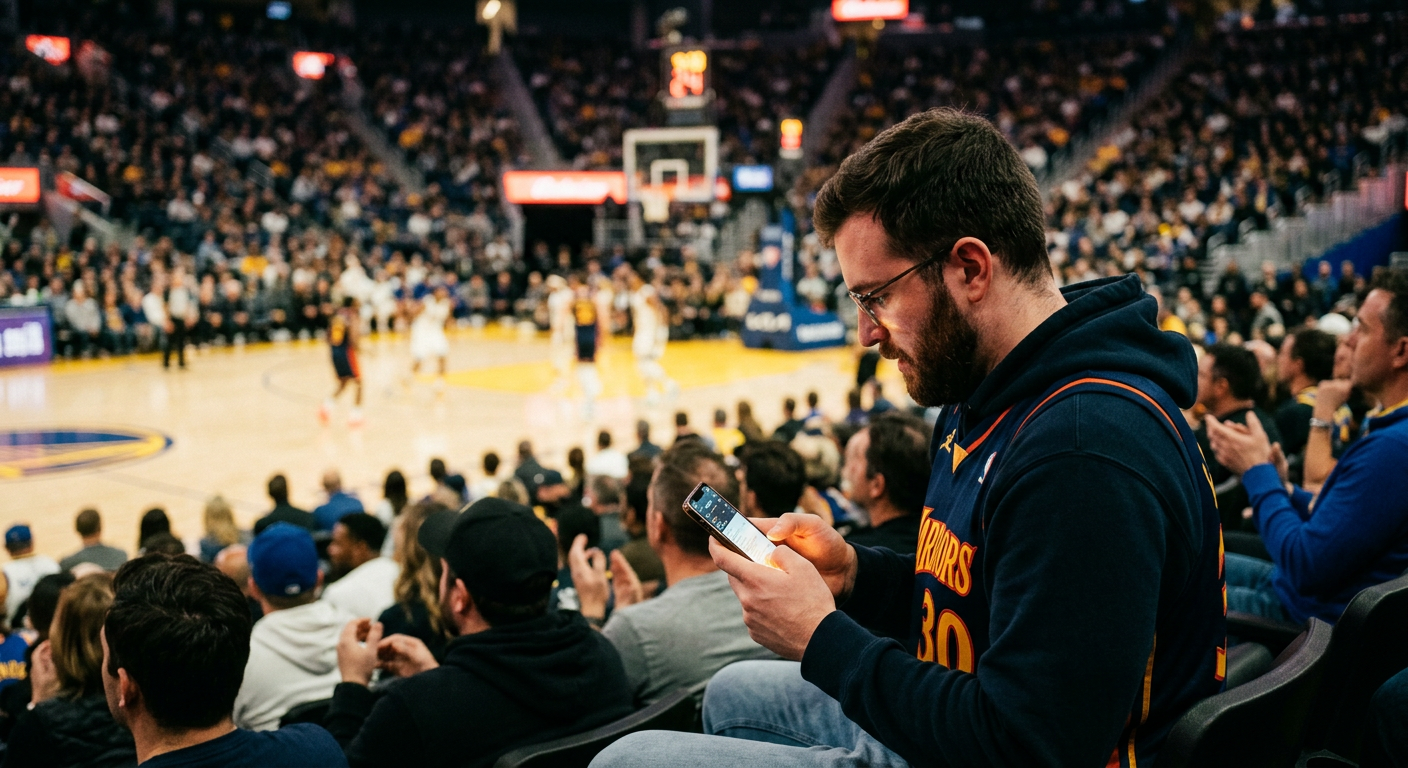
Consider a sold-out game. The traditional way to look at success is simple: the building was full.
The more strategic question is: how many of those people can we talk to again?
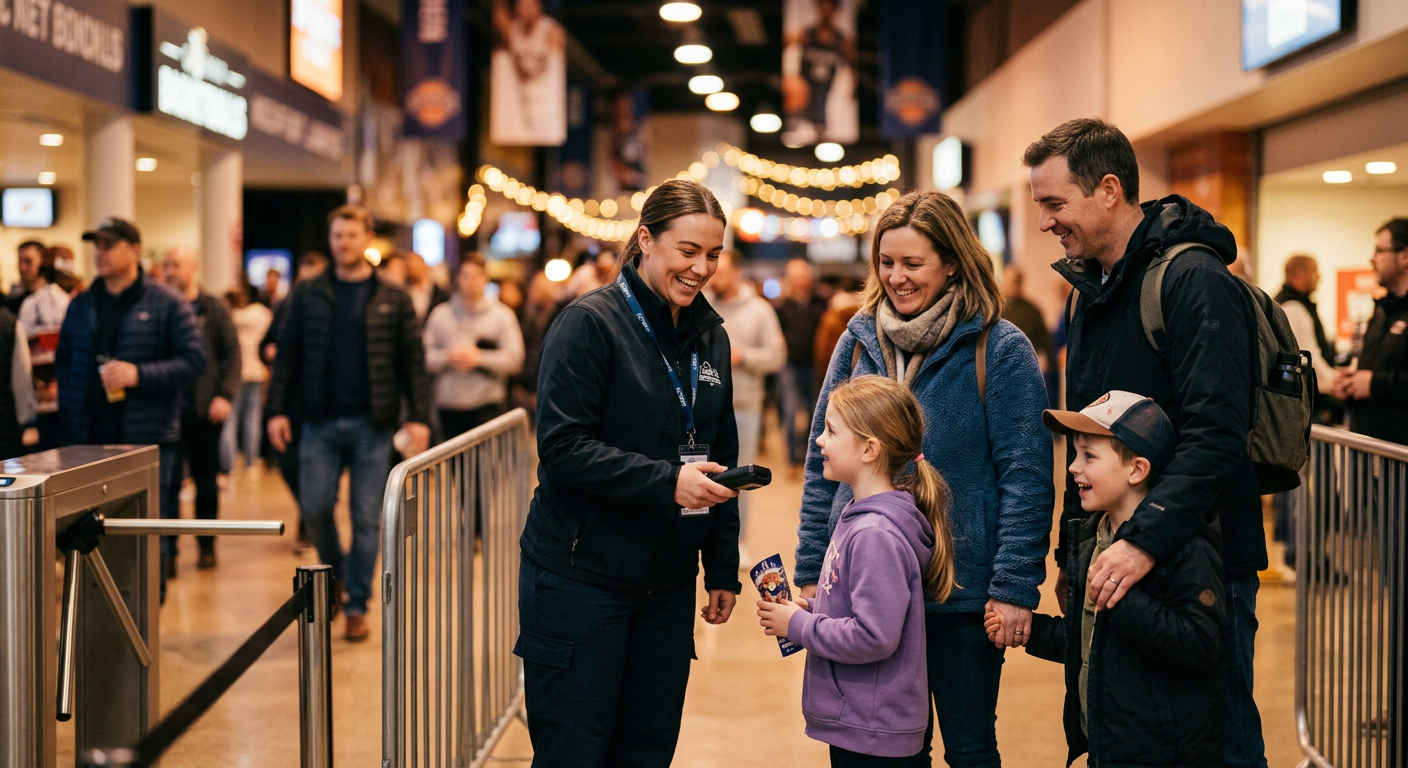
If thousands of fans attend but leave no direct relationship behind, the organization has to reacquire much of that attention for the next game. If those fans join an email list, WhatsApp channel, membership program or ticketing database, the event becomes the beginning of the next marketing cycle.
This is where CRM stops being a technical marketing term and becomes a fan strategy.
The objective is not to collect data for the sake of collecting data. It is to create more relevant relationships.
A season-ticket holder should not receive the same message as someone who has never attended a game. A fan who regularly buys merchandise has different behavior from someone who primarily watches streams. A family attending a Sunday game may respond to different experiences than a group buying tickets for a rivalry night.
The more we understand those differences, the less marketing has to feel like mass promotion.
Owned audiences also create value for partners.
A sponsor does not only want its logo exposed to a crowd. It may want engagement, participation, leads, product trial or a measurable connection to a specific audience. A sports property with strong first-party relationships can create partnership programs that are much more sophisticated than signage.
That makes audience infrastructure a commercial asset.
It also protects the organization.
Platforms change. Algorithms change. Media consumption changes. A direct fan relationship is more durable.
None of this means social media becomes less important. The opposite is true. Social remains one of the most powerful tools in sports because the product naturally produces content and conversation.
But social should feed the ecosystem.
Reach should lead to engagement. Engagement should lead to a relationship. The relationship should create more reasons to return.
That is the flywheel.
The future of sports marketing will belong to organizations that can do both: create cultural relevance on platforms they do not own and build meaningful relationships on channels they do.
Followers are valuable.
Relationships are more valuable.