
One of the most useful marketing lessons I learned during the return of the Criollos de Caguas was also one of the simplest:
Be scrappy.
In marketing, “scrappy” can sound like a polite way of saying there was not enough budget, time or people.
I see it differently.
“Scrappy marketing is the discipline of learning before scaling.”
Sports is a perfect environment for it because the feedback loop is incredibly fast. You publish content and immediately see how fans react. You introduce an in-arena experience and watch participation in real time. You launch a new channel and quickly learn whether people want to use it.
The worst response to that environment is waiting for every idea to become perfect.
During the early stages of rebuilding the Criollos brand, we experimented constantly: content formats, collaborations, streaming, WhatsApp, email, fan communities, uniforms, promotions and new ways of presenting the team.
Not every idea had to become permanent.
That was the point.
A test is valuable even when the answer is “do not do this again.”
The discipline is knowing what you are trying to learn.
If you launch a new content series, are you testing reach, engagement or repeatability? If you create a fan promotion, are you trying to drive attendance, database growth or sponsor participation? If you introduce a new platform, what behavior would justify continuing to invest in it?
Without a question, experimentation becomes random activity.
With a question, it becomes strategy.
Being scrappy also forces marketers to understand the difference between production value and idea value.
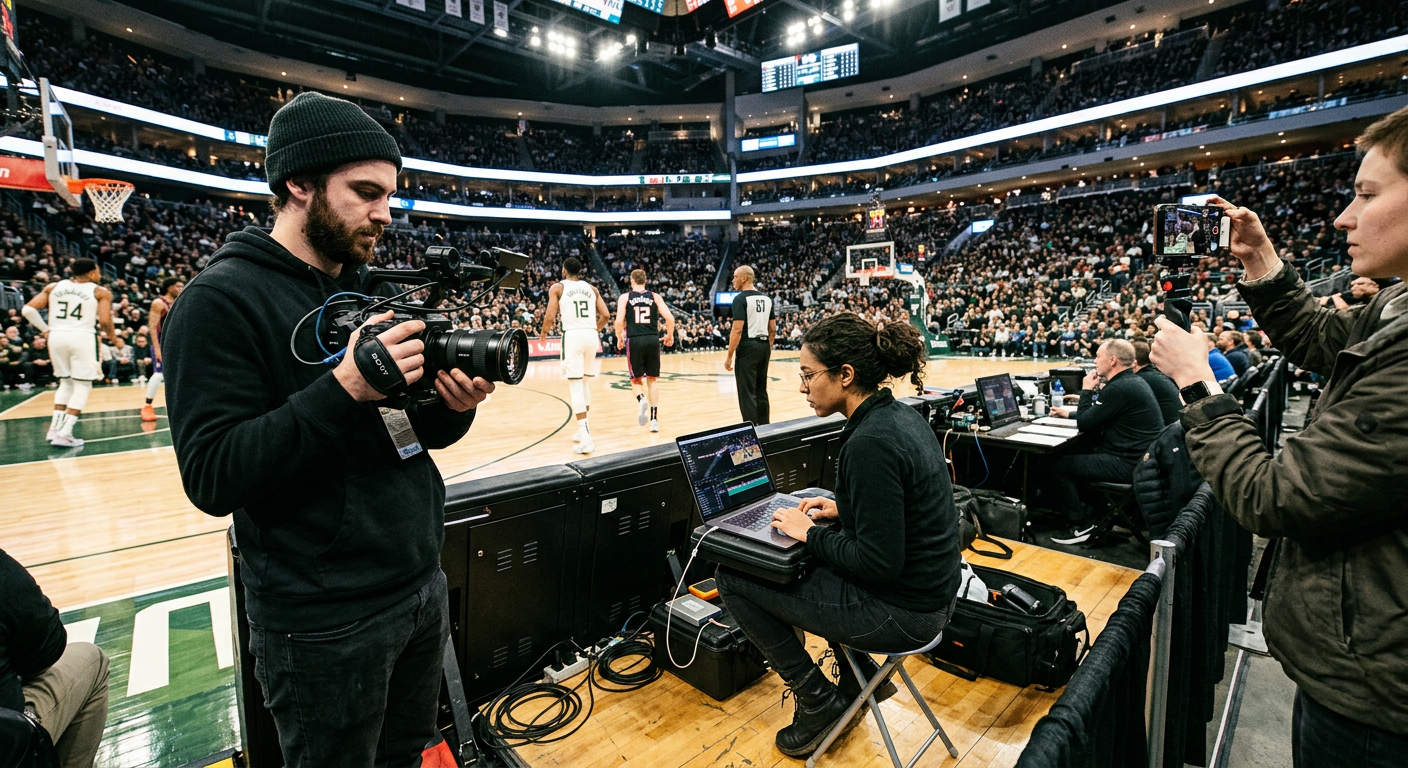
Sports content does not always need a large production. Sometimes the most compelling piece of content is a player reaction, a crowd moment, a locker-room detail or a fast post that captures exactly what fans are feeling.
The value comes from relevance.
That does not mean quality does not matter. Brand standards matter. Photography matters. Design matters. But polish should never become an excuse for being late to the moment.
Sports moves too quickly.
The same applies to partnerships. Not every sponsor activation needs to begin as a massive program. A smaller pilot can show whether fans participate, whether the brand fits naturally and whether the idea has room to grow.
Test. Measure. Improve. Scale.
That sequence sounds obvious, but many organizations reverse it. They commit significant resources first and begin asking whether the idea worked afterward.
Scrappy thinking reduces that risk.
It also creates a culture of curiosity inside the marketing team. When people know they are allowed to test, they become more likely to bring ideas forward. When every idea has to survive layers of approval before it reaches the audience, creativity becomes safer and slower.
The goal is not chaos.
The goal is a system that makes learning inexpensive.
The most sophisticated marketing organizations are not necessarily the ones that make the fewest mistakes. They are often the ones that can learn from small mistakes before those mistakes become expensive.
Sports taught me that speed and strategy are not opposites.
When the objective is clear, moving quickly can actually make strategy stronger.
Be thoughtful about the brand.
Be disciplined about the objective.
And then give yourself permission to try things.
Scrappy is not what you do before you become sophisticated.
Done correctly, scrappy is part of sophistication.